Genealożka.pl
Kinga Winnicka, PhD / Researching the past / Genealogical services
About me
Hello!
My name is Kinga Winnicka
and I research the past.
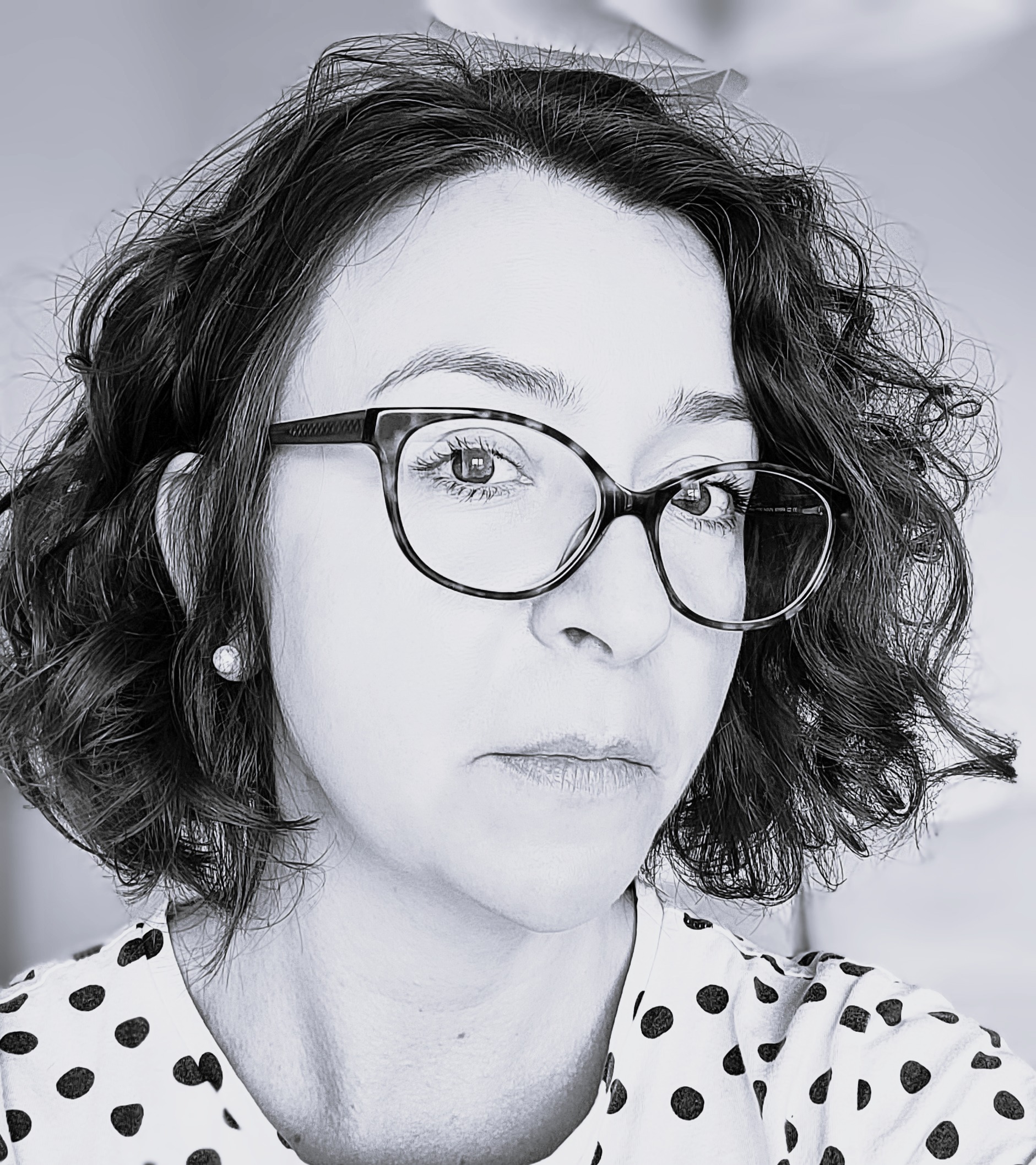
I graduated from the University of Wrocław, Poland where I completed my PhD in archaeology in 2021. Currently, since 2025, I work as a research assistant professor at the University of Warsaw, Poland.
For the past 10 years, I have been conducting genealogical research. It started with my own family tree, but I quickly began helping others with their searches. Now, I also offer professional genealogical services.
Genealogy is my passion, so I approach every project individually, dedicating as much time and attention as necessary to thoroughly examine sources and create a detailed family tree.
I work with a limited number of clients at a time to ensure the highest quality of service.
I specialize in genealogical research in Central Europe, with a focus on Poland, Ukraine, Germany, Austria, Czechia, Slovakia, Romania, Belarus, and Lithuania.
My work involves exploring the rich and complex history and diverse cultural and religious heritage of the region to uncover detailed family stories.
The term „Genealożka” is the feminine form of the Polish word for genealogist („genealog” in the masculine form). In Polish, professions and roles often have gendered forms, with the suffix „-ka” commonly added to create the feminine version of masculine nouns.
What I offer
- Creating Family Trees
- Searching in Archives
- Analyzing Old Documents
- DNA Consultations (Genetic Genealogy)
- General Consultations on Genealogy and Family History
How I work
Click to expand:
Initial Free Consultation (1-2 hours)
The consultation is usually conducted online (e.g., WhatsApp) or by phone.
The aim is to define the client’s goals and scope of genealogical research, such as:
– Tracing a single surname line or entire branches of the family tree (maternal, paternal)
– Deciding to include ancestors only or also collateral lines (e.g., relatives by marriage)
– Setting timeframes (e.g., from the 19th century or earlier) and geographic range (e.g., Galicia region under the Austrian rule)
– Addressing specific questions or solving family mysteries
– Exploring potential genetic genealogy options
And also, to set a project completion timeline.
It is crucial to start from known family details, such as names, dates (births, marriages, deaths), and locations.
Initial Phase of Research (up to 10 hours)
This stage allows me to assess the availability of sources, draft an outline of the family tree, and propose further directions for the research.
First Meeting (1 hour)
Conducted online (e.g., WhatsApp) or via phone call, and when convenient, an in-person meeting is also an option.
During this meeting, I present a report from the initial research phase, share the first draft of the family tree, highlight key discoveries, and propose further steps—such as specific research directions or archival investigations.
Main Phase of Research (30–60 hours)
This stage includes activities such as:
– Searching available databases
– Sending queries to archives
– Searching, translating, and analyzing documents
– Creating a family tree enriched with geographical, historical, and cultural context
– Analyzing DNA results (genetic genealogy)
The research is divided into smaller stages, and after each stage, there is a meeting (approximately 1 hour) to present the results and discuss the progress.
Project Size Estimates: Small project: 10–30 hours, Medium (typical) project: 30–60 hours, Complex project (extensive research or archive travel): 60–100 hours.
Project Conclusion and Final Meeting
The final stage includes: printing the family tree(s), providing all or selected documents, and delivering a summary report of the project.
The meeting can take place via email, phone, online (e.g., WhatsApp), or in person.
Real Example:
170 people in the family tree | 45 ancestors | 110 original documents = 40 hours of work
100 USD/hour
Current standard rate
Monthly billing
Contact
If you want to explore your family’s past, fill out the simple contact form
Or write to me directly: